



Why Users Find It Hard to Upgrade from Windows 10 to 11: Key Challenges Explained
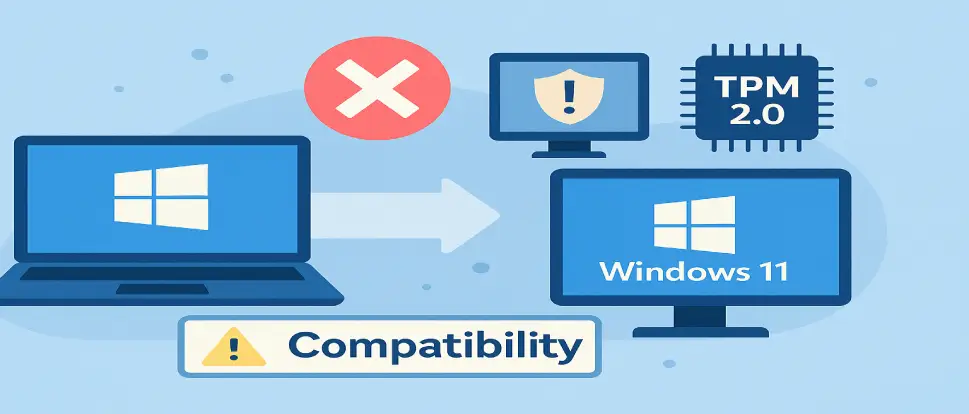
For many users, the move from Windows 10 to Windows 11 hasn’t been as smooth as they might have hoped. One of the biggest hurdles has been the more stringent hardware requirements that Windows 11 demands. Unlike previous upgrades, Windows 11 requires features like TPM 2.0 and Secure Boot, which not all older devices have.
In addition to hardware barriers, there have also been software compatibility concerns. Some legacy applications that ran smoothly on Windows 10 might not be fully optimized for Windows 11, causing hesitation for businesses and individuals relying on those tools.
Overall, these factors have made the transition a bit more complex than just a simple click-and-upgrade process. But as users and companies gradually adapt, these challenges are likely to ease over time.
Additional Considerations
Another factor that has contributed to the slow adoption of Windows 11 is simply the comfort and familiarity that users have with Windows 10. Many people and organizations are hesitant to fix what isn’t broken, especially when their current systems are running smoothly and reliably.
There’s also the natural caution that comes with any major OS upgrade. Users often prefer to wait until initial bugs are ironed out and more feedback is available before making the leap.
Will Microsoft Address These Compatibility Issues?
The big question remains: will Microsoft take steps to make the upgrade path easier in the future? It’s possible that Microsoft might refine their approach or offer more tools to help users overcome these compatibility hurdles. In the meantime, users and IT departments will have to weigh the benefits of upgrading against the challenges involved.